







Building Skills for Smart Agriculture and Sustainable Water Management in Libya
How can technology contribute to more efficient and sustainable water management and crop production?
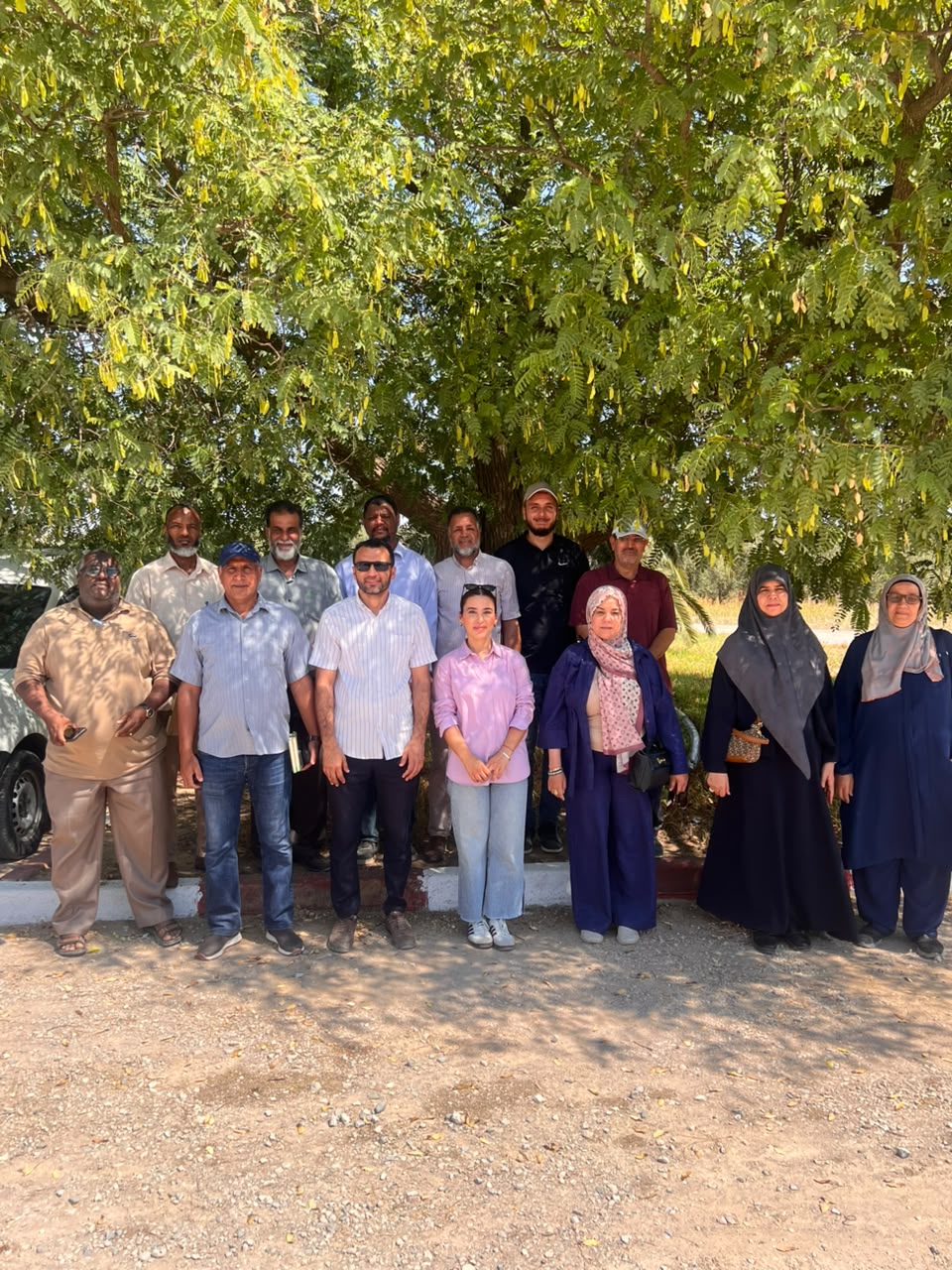
To explore this question in depth, a group of Libyan university professors gathered in Tunisia for a training workshop taking place from 1 to 10 September. The workshop aims to strengthen the capacities of university professors and faculty members in smart agriculture, sustainable water management, and digital and smart agricultural technologies, while supporting participants in integrating this newly acquired knowledge into university curricula.
The workshop covers key topics including remote sensing and the Internet of Things (IoT), soil and weather sensors, smart irrigation, farm management information systems, and artificial intelligence. Participants are exploring these technologies both from an academic perspective and through practical applications that demonstrate how they can be put into use.
The programme also includes field visits to farms around Tunis, including a Zaitouna orchard in Zaghouan and Mabrouka Nursery in Mohammedia. These visits give participants the opportunity to see how these solutions are applied in practice, how data can be interpreted, and how it can be turned into informed decisions that improve production and enable more efficient resource management.
The workshop’s ultimate goal is to bring this knowledge back to Libyan universities and integrate new skills and technologies into academic curricula, helping prepare students with the tools they need to contribute to a greener and more sustainable economy.
This workshop is part of the Green and Blue Economy component of the EU4Skills project, funded by the European Union, co-financed by the French Government, and implemented by Expertise France in Libya in partnership with Libyan institutions. The project supports graduate skills development and strengthens their capacity to contribute to sustainable, green and digital economic development.