






Launch of the Preliminary Phase of the INVEST4Libya Project
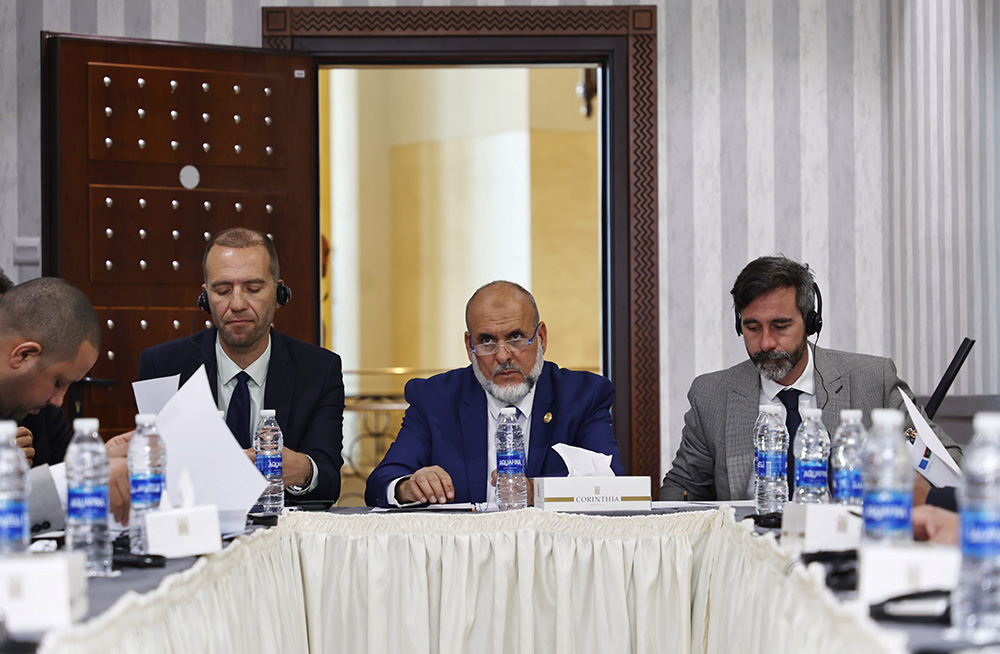
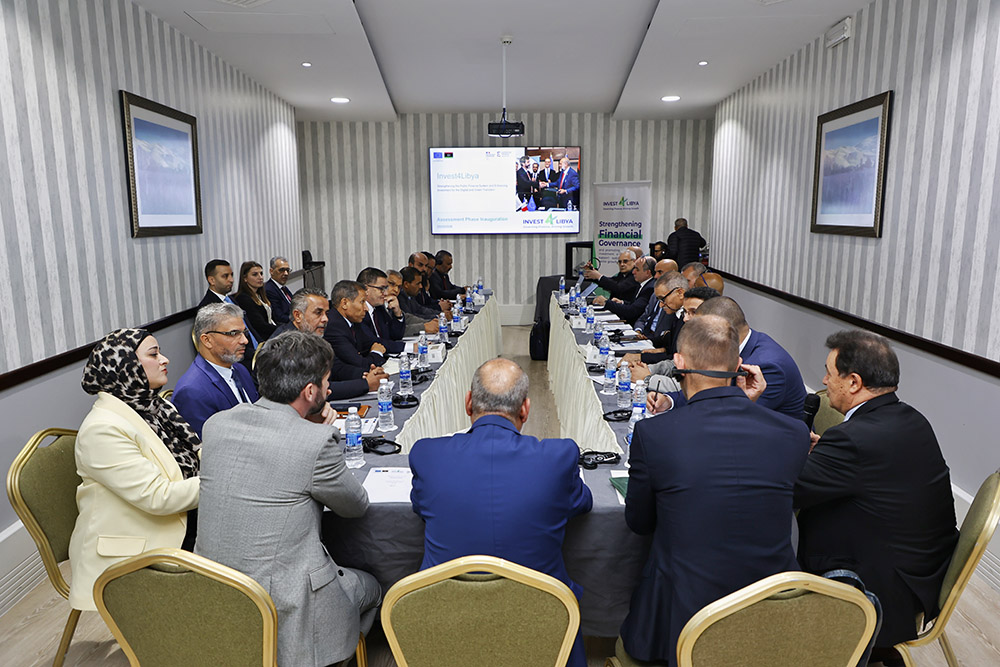
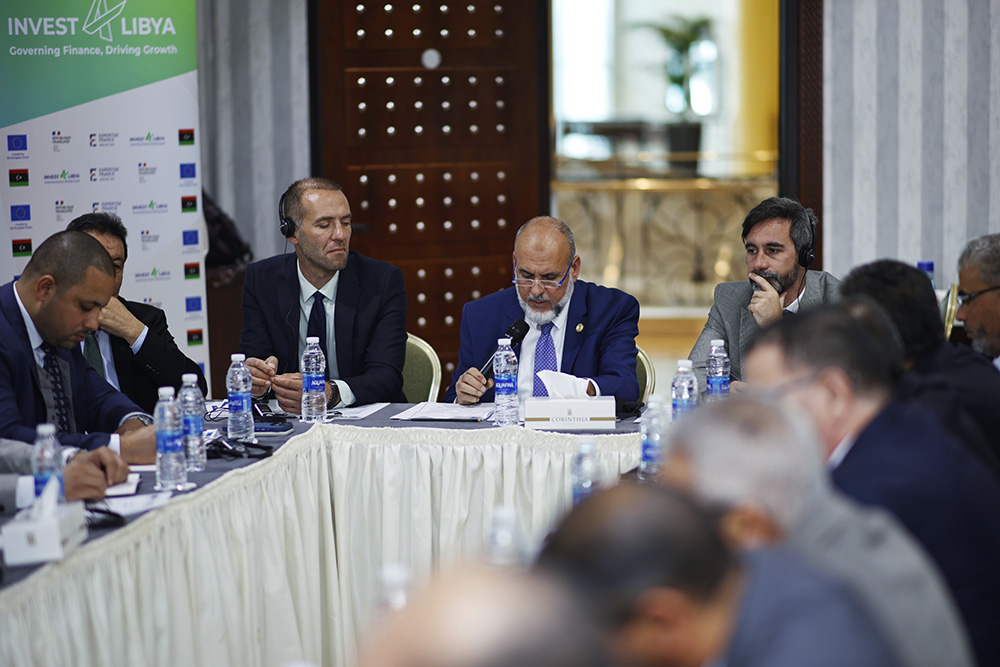
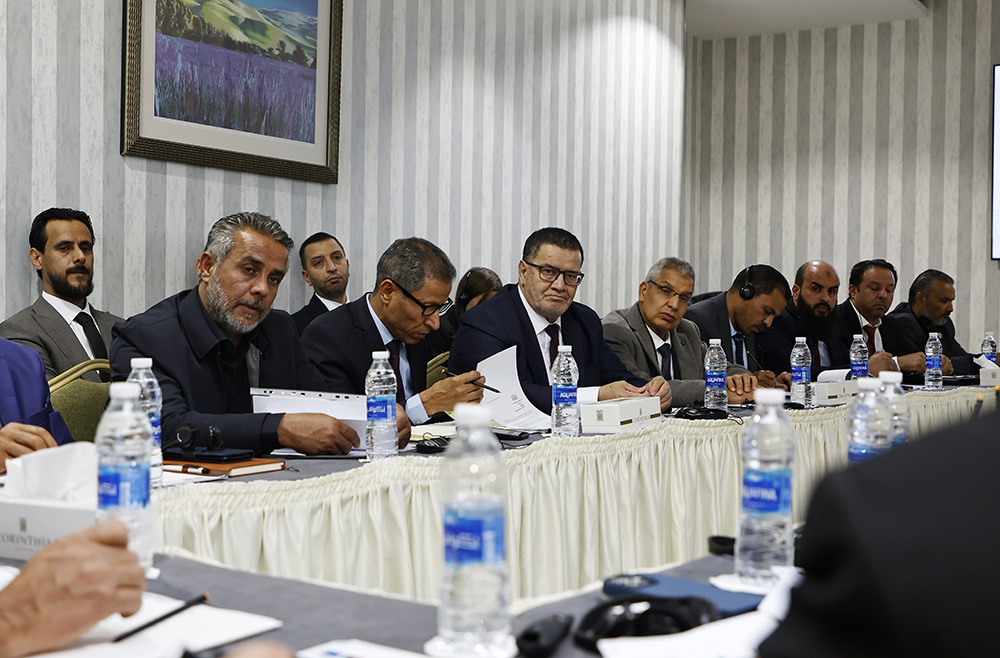
A series of technical meetings was held in Tripoli over five days, from Sunday, 29 March to Thursday, 2 April 2026, marking the launch of the inception phase of the INVEST4Libya project. This comes as part of ongoing efforts to support economic and financial reform in Libya. The project is funded by the European Union, with a financial contribution from the French government, and implemented in Libya by Expertise France, with the aim of strengthening economic governance, promoting investment, and supporting sustainable development pathways.
The meetings were opened in the presence of Mr. Mustafa Albarouni, Deputy Minister of Finance for Financial Controllers; Mr. Nouri Algatati, Deputy Minister of Economy and Trade for Free Zones; and Mr. Stergios Tragoudas, Private Sector Programme Manager at the European Union Delegation to Libya. And from Expertise France, attendees included Mr. Maxime Bost, Programme Director; Mr. Mohamed Alaswad, Deputy Programme Director; and Mr. Ayoub Kraima, Chief of Financial Sector Component, in addition to international experts in public finance.
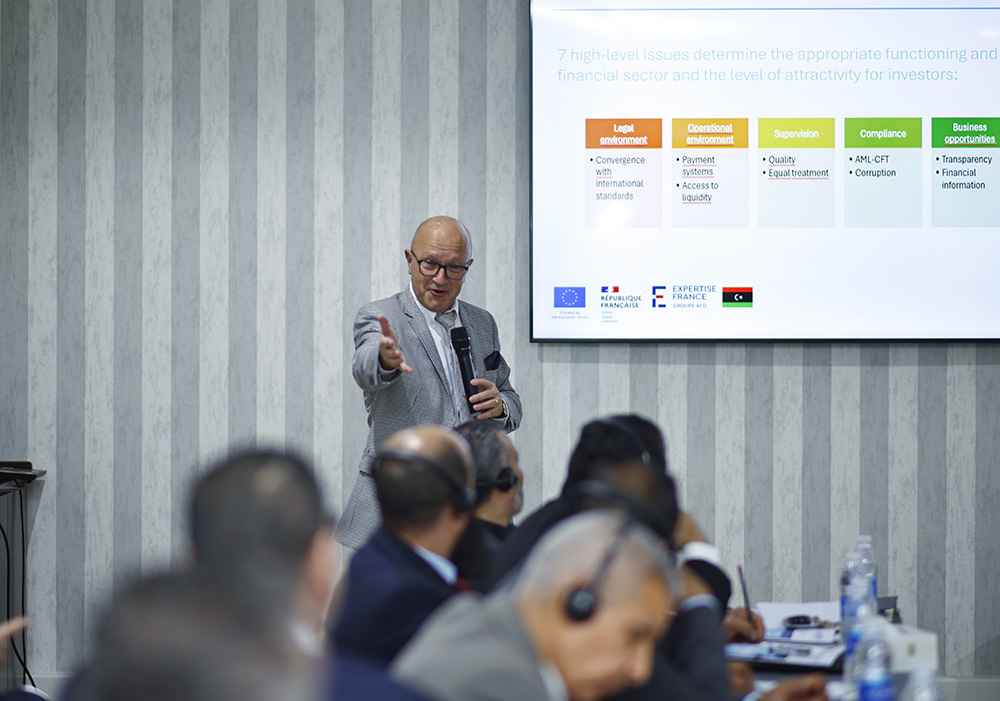
These meetings brought together high-level representatives from key Libyan national institutions, including the Ministry of Finance, the Central Bank of Libya, the Ministry of Planning, the Ministry of Economy and Trade, the Audit Bureau, the Prime Minister’s Office, the Insurance Supervisory Authority, the Capital Market Authority, the Libyan Investment Authority, the National Economic Development Board, the Tax Authority, the Customs Authority, and other relevant stakeholders. The meetings aimed to launch the first phase of the project by presenting its overall concept and activities, particularly in improving public financial management and developing the financial sector. They also included a presentation of the working approach for the inception phase, a discussion of preliminary findings, and a collection of feedback from partners and stakeholders on priorities and challenges.
The meetings also provided an opportunity for dialogue among stakeholders to identify key reform areas, assess capacity-building needs, and strengthen institutional coordination. This will support the development of a clear roadmap for the next phase, contribute to building a more efficient and transparent financial system, and help improve the investment climate in Libya.
The series of meetings concluded with the first Technical Steering Committee meeting, during which the foundations for project follow-up were established, and the work plan for the upcoming phase was endorsed.
To learn more about the project, you can read this article.